
Garden room designs should do more than look smart at the end of the lawn. A good garden room needs to suit the home, fit the garden and support the way you want to use the space.
That might mean a quiet office, a creative studio, a compact retreat, a gym or a flexible room that does a bit of everything. The right choice is rarely just the biggest building that fits. Often, it is the one that feels natural, practical and easy to use throughout the year.
The design has to work inside and earn its place outside. It should support how you want to use the space while still feeling settled in the garden.
This guide is general advice for comparing garden room designs. Always check planning requirements, building regulations and manufacturer guidance before choosing a final design, especially for larger buildings, regular year-round use or rooms close to a boundary.
How to Choose the Right Garden Room Design
Before looking at cladding colours, door styles or finishes, start with how the room will actually be used.
Ask yourself:
- Will the room be used daily or occasionally?
- Does it need power, heating, lighting or internet?
- Will you need privacy from the house or neighbours?
- How much furniture or equipment will go inside?
- Should it feel open and bright, or calm and enclosed?
- How much garden space can you comfortably give up?
These questions shape the design. A garden office needs a different layout from a gym. A reading room needs a different feel from a creative studio. Getting the purpose clear early makes every later choice easier.
1. Modern Garden Office Design
A modern garden office is one of the most popular options for everyday use. It works best when the layout is designed around comfort, not just floor area.
There should be enough room for a proper desk, chair, storage and movement around the workspace. Window placement matters too. Natural light is useful, but strong glare on a screen can quickly become annoying.
The HSE has helpful guidance on good posture when using display screen equipment, which is worth considering before deciding where the desk, chair and monitor will go.
A good garden office design may include:
- Balanced glazing rather than full glass on every side
- Practical wall space for storage or shelving
- Insulation for year-round use
- Neat cable routes and enough sockets
- A clear path from the house
This design suits people who need a separate workspace without giving up a room inside the house.
2. Compact Garden Room Pod
A compact pod is ideal for smaller gardens or single-purpose use. It does not need to be grand. It simply needs to be well planned.
This type of design works well as a small office, reading room, hobby space or quiet retreat. Because the footprint is modest, every detail matters. Door swing, desk depth, storage and window placement all need to be considered before the building is chosen.
A compact garden room pod usually suits:
- Smaller gardens
- One-person use
- Simple desk or hobby layouts
- Minimal furniture
- Tidy, low-maintenance garden spaces
The trick is not to cram too much into it. A compact room should feel calm and efficient, not like a shed that swallowed a desk.
3. Creative Studio Garden Room
A creative studio needs light, flexibility and clear working space. It might be used for painting, crafting, music, writing, photography or design work.
This style of garden room often benefits from a simple open layout. Large windows can help, but the direction of light matters. Too much direct sun may not be ideal for certain crafts or equipment, so glazing should be planned around the work, not just the view.
Useful studio features include:
- Open floor space
- Good natural light
- Wall space for shelves or tools
- Durable flooring
- Flexible furniture
- Practical ventilation
A studio garden room should feel inspiring, but still sensible. Beautiful spaces are lovely. Usable, beautiful spaces are better.
4. Garden Gym or Wellness Room
A garden gym or wellness room needs a different type of design. Floor space, ventilation and privacy matter more than decorative detail.
For a gym, think about ceiling height, equipment clearance and the type of flooring required. For yoga, stretching or relaxation, the room may need a softer feel, calmer lighting and a more private outlook.
This design may suit:
- Exercise equipment
- Yoga or Pilates
- Meditation
- Physiotherapy-style movement
- General wellness routines
Large areas of glass can look attractive, but privacy should be considered carefully. A gym that feels exposed may not get used as often as planned.
5. Garden Retreat or Reading Room
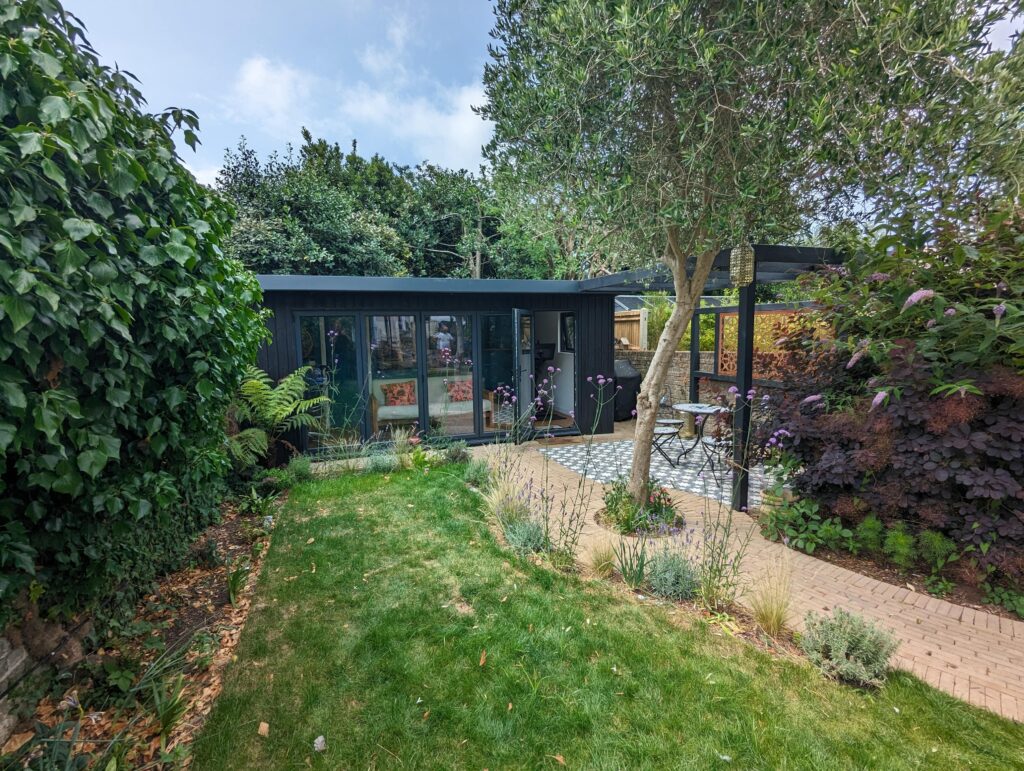
A garden retreat is less about productivity and more about comfort. It can be a quiet place to read, relax, listen to music or enjoy the garden away from the main house.
This design often works best with warm materials, comfortable seating and a pleasant view. It does not always need to be large. A smaller room with the right orientation can feel more inviting than a larger room that feels disconnected from the garden.
Good design details include:
- A comfortable seating layout
- Soft internal lighting
- Garden-facing doors or windows
- Natural timber tones
- Planting around the approach
- A small patio or step outside
This type of garden room should feel like somewhere you would actually choose to sit, not just somewhere to store spare cushions.
6. Flexible Family Garden Room
A flexible family garden room is designed to change use over time. It might be a playroom now, a teenage den later and a hobby space after that.
This design needs a simple, adaptable space. Avoid building the entire layout around one very specific use unless you are sure it will stay that way. More open floor area, good storage and durable finishes can make the room easier to adapt.
A flexible design may include:
- Open space for changing furniture layouts
- Simple lighting that suits different uses
- Storage for games, equipment or seasonal items
- Durable flooring
- Easy access from the house
This is often the most practical option for busy homes, because life has a habit of changing the brief when nobody is looking.
7. Contemporary Garden Room Design
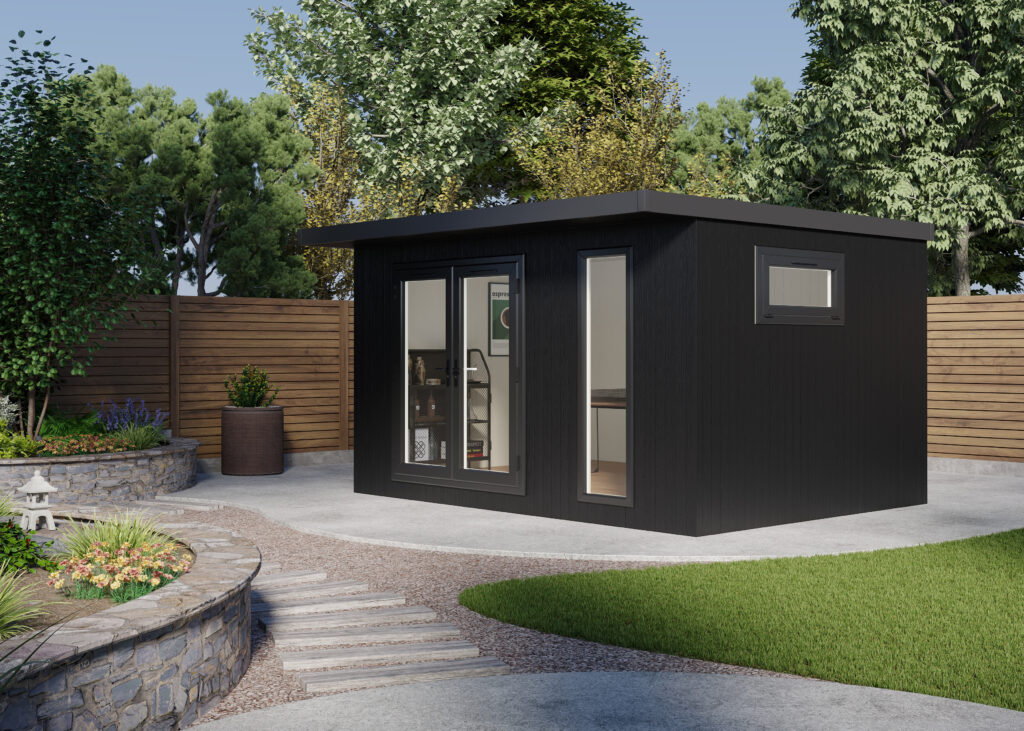
A contemporary garden room usually has clean lines, simple cladding and a more architectural look. It can work especially well where the home already has modern details, such as slim window frames, simple paving or darker exterior finishes.
If you are comparing contemporary options, the Penthaus garden rooms page may be a useful starting point.
This design style may include:
- A simple roofline
- Larger glazed sections
- Darker or more refined exterior finishes
- A neat threshold or step
- A strong connection to paving or decking
The key is restraint. A contemporary garden room should look sharp without feeling showy.
Garden Room Designs Compared
| Garden room design | Best for | Main design priority |
| Modern garden office | Daily work and remote working | Desk layout, light control and comfort |
| Compact pod | Smaller gardens or for one-person use | Efficient footprint and simple storage |
| Creative studio | Hobbies, art, music or making | Light, open space and flexible storage |
| Garden gym or wellness room | Exercise and relaxation | Floor space, ventilation and privacy |
| Garden retreat | Reading, relaxing or quiet time | Comfort, view and atmosphere |
| Flexible family room | Changing household needs | Adaptable layout and durable finishes |
| Contemporary garden room | Modern homes and gardens | Clean lines, glazing and finish |
Design Details That Make the Room Work
Once you know the design type, the smaller details become easier to choose.
Light and Glazing
Glazing affects the room’s appearance, comfort and privacy. More glass is not always better. Too much can cause glare, reduce wall space or make the room feel overlooked.
Think about where the sun hits, what view you want from inside and where furniture will sit.
Materials and Finishes
Materials should suit both the home and the garden. Timber can feel warm and natural. Darker finishes can feel more modern. Lighter interiors can help a compact room feel brighter.
Look at existing paving, fencing, decking and planting before choosing finishes. A garden room should feel connected to its surroundings.
Access and Landscaping
The route to the garden room matters. A beautiful building can feel awkward if the path is muddy or poorly lit.
Consider a firm path, a small patio, sensible drainage and planting to soften the base of the building. The path, planting and threshold deserve attention too.
Planning and Practical Checks
Many garden rooms may fall under permitted development, but this depends on size, height, position, use and property restrictions. The Planning Portal explains that outbuildings may be permitted development only when certain limits and conditions are met.
GOV.UK’s permitted development rights for householders’ technical guidance is also a useful reference if you want to understand the wider rules.
If you are unsure, it is better to check before ordering. Our guide on whether you need planning permission for a garden room is a helpful next step before settling on a final design.
Explore Garden Room Designs
Once you know the type of room you want, it becomes much easier to compare suitable styles, sizes and finishes. A home office may need a more practical layout with controlled light and space for equipment, while a retreat or family room may call for a softer design with comfortable seating and a stronger connection to the garden.
You can visit our garden room designs and offices page to compare styles, sizes and practical options before narrowing down what may suit your home and garden.
The aim is not to choose the biggest building available. It is to choose a design that supports how you live, looks comfortable in the garden and remains useful after the novelty has worn off.
In Summary
Garden room designs should start with a purpose. A home office, creative studio, compact pod, gym, retreat or flexible family room will each need a different layout and feel.
Once the use is clear, think about size, light, privacy, access, materials and planning checks. A good garden room should solve a real problem, not just fill a corner of the garden.
Choose the design based on how you will actually use the room. That is how a garden room becomes a proper part of the home, not just a nice building at the end of the lawn. If you are ready to discuss ideas, sizes or suitable options, contact us to talk through what may work for your space.